
Clarifying Shampoo: The Most Important Wash Day Reset
Clarifying shampoos remove buildup from styling products, oils, silicones, pollution and hard water minerals so hair can perform at its best.
Many people spend money on expensive masks, bond repair treatments and conditioners without realizing their hair is coated in layers of buildup.
Clarifying is the reset step that allows the rest of your hair care routine to work more effectively.
What Is A Clarifying Shampoo?
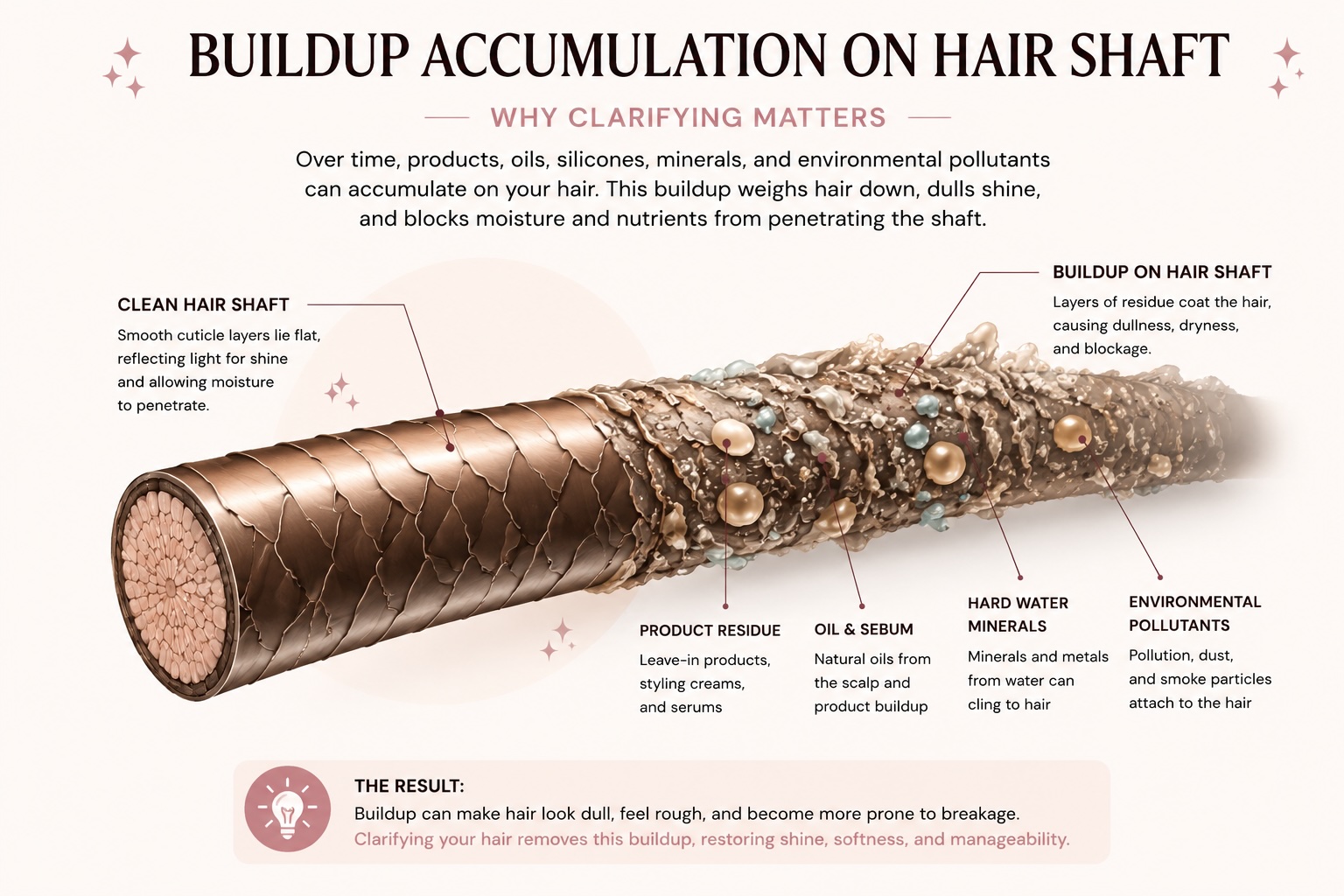
Clarifying shampoos are formulated for a deeper cleanse than everyday shampoos. Where regular shampoos clean the surface of the hair and scalp, clarifying shampoos are designed to break down and remove what accumulates over time.
Clarifying shampoos remove:
- Product buildup from mousse, hairspray and texture sprays
- Silicones from serums and smoothing products
- Excess oil and heavy treatments
- Hard water minerals such as calcium and magnesium
- Environmental pollutants and dust
- Dry shampoo residue
Buildup can cause:
- Hair feeling heavy or flat
- Reduced volume and movement
- Dullness and lack of shine
- Conditioning treatments becoming less effective
- Hair appearing greasy sooner after washing
“Clarifying is not about stripping hair. It’s about removing what no longer belongs there.”
Watch: Why Clarifying Matters
Abbey explains clarifying shampoos in her own words — how buildup forms, why it matters, and how to use clarifying correctly.
Signs You Need A Clarifying Shampoo
Buildup rarely announces itself. These are the most common signs that a clarifying reset is overdue.
Types of Buildup
Different types of buildup accumulate from different sources. Understanding what’s on your hair helps you choose the right approach.
Styling Product Buildup
Mousse, hairspray, gels and texture sprays leave polymer and resin residue that accumulates with each application.
Silicone Buildup
Repeated use of serums, smoothing products and many conditioners leaves a coating that eventually weighs hair down.
Oil Buildup
Natural scalp oils plus heavy treatment oils can accumulate and create a film that regular shampoo doesn’t always fully remove.
Hard Water Minerals
Calcium, magnesium and metal particles in tap water bond to the hair and scalp with every wash in hard water areas.
Environmental Pollution
Dust, airborne contaminants and particulate matter settle on the hair surface throughout the day.
Dry Shampoo Residue
Powders and absorbent particles from dry shampoo accumulate on the scalp and can interfere with follicle health over time.
Best Clarifying Shampoos
A selection of clarifying shampoos suited to different hair types, budgets and buildup concerns.
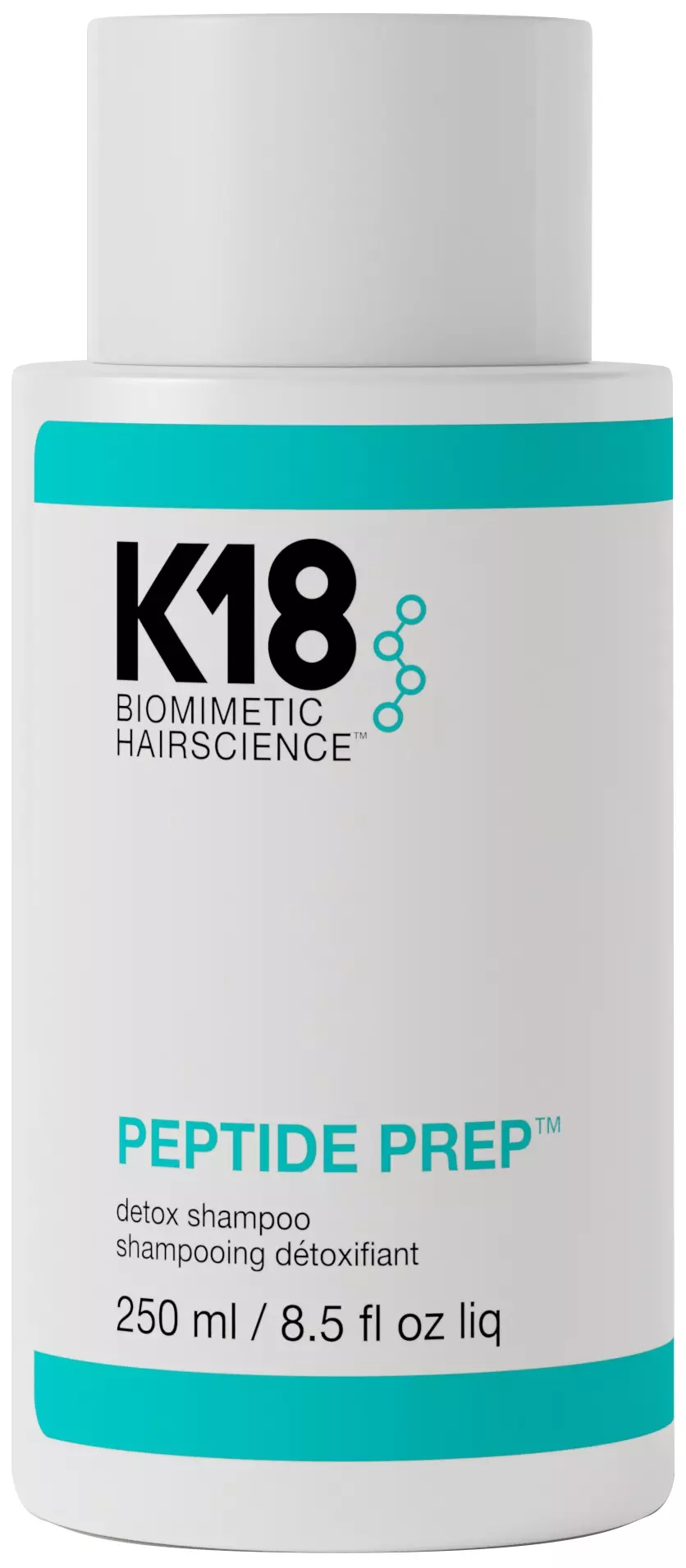
K18 Peptide Prep Detox Shampoo
A sulfate-free deep-cleansing shampoo that removes buildup while incorporating K18’s peptide technology to support hair integrity during the clarifying process.
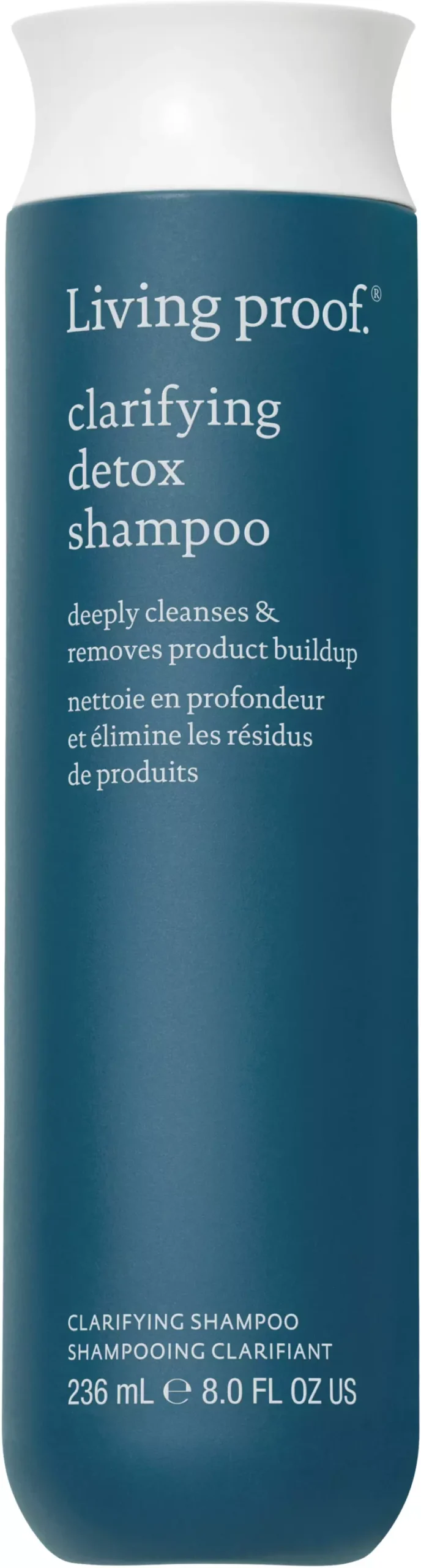
Living Proof Clarifying Detox Shampoo
A sulfate-free formula designed for weekly use, removing buildup from styling products, dry shampoo and excess oil without over-stripping the hair shaft.
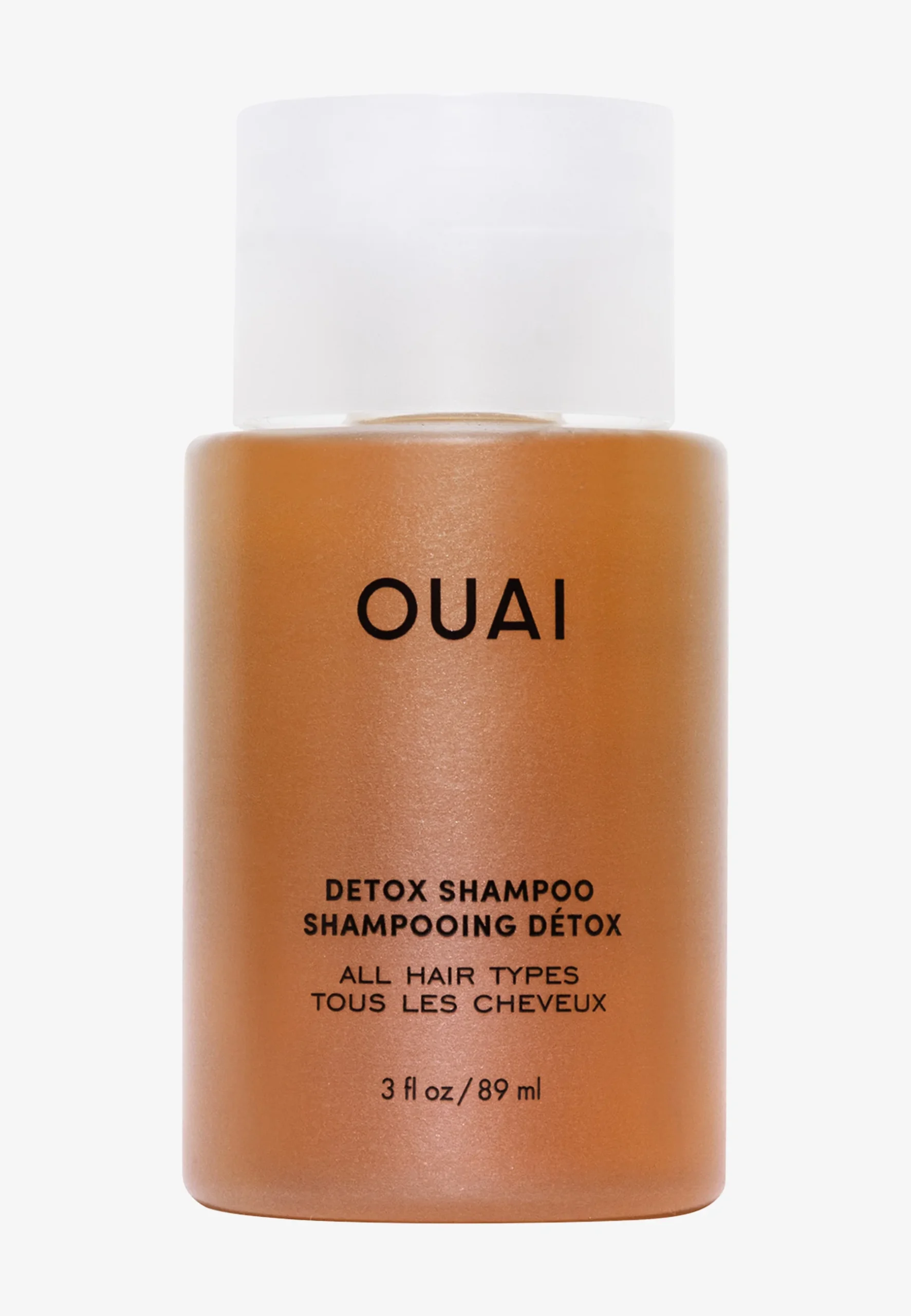
OUAI Detox Shampoo
A sulfate-free clarifying shampoo that addresses both styling product residue and the mineral accumulation common with hard water exposure.
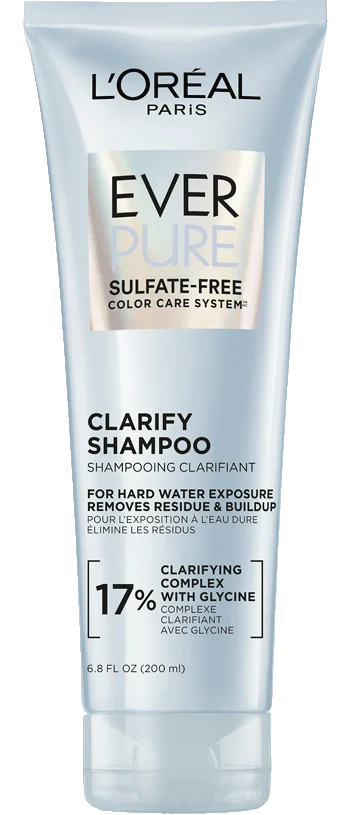
L’Oréal EverPure Clarify Shampoo
A gentle, sulfate-free clarifying option that removes product buildup without compromising color or over-drying the hair shaft — a solid mid-range pick.
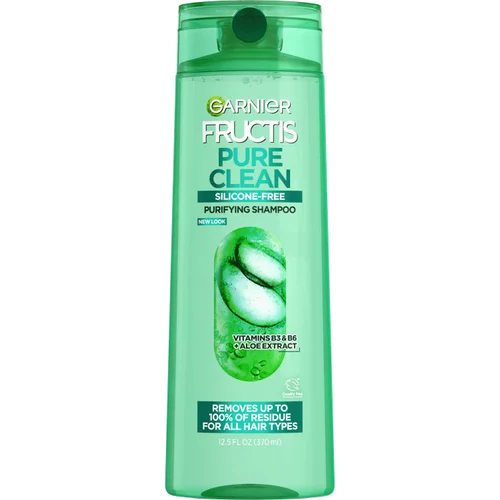
Garnier Fructis Pure Clean Shampoo
An accessible, budget-friendly clarifying shampoo with effective cleansing performance. Contains sulfates, so best reserved for periodic rather than daily use.
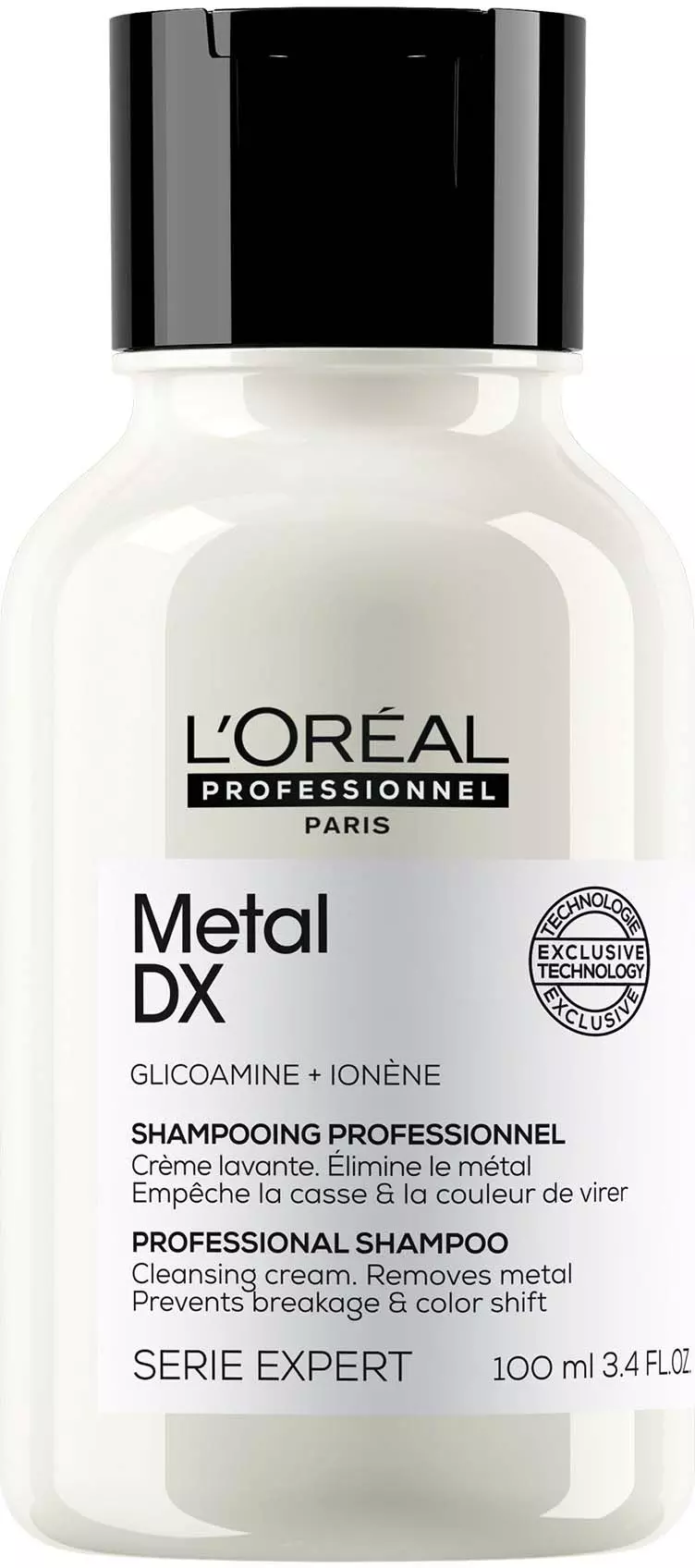
L’Oréal Professionnel Metal Detox Shampoo
Specifically designed to remove excess metal accumulation from the hair fiber rather than functioning as a traditional clarifying shampoo. Particularly useful for color-treated hair exposed to hard water, where metal ions can interfere with color results and hair integrity.
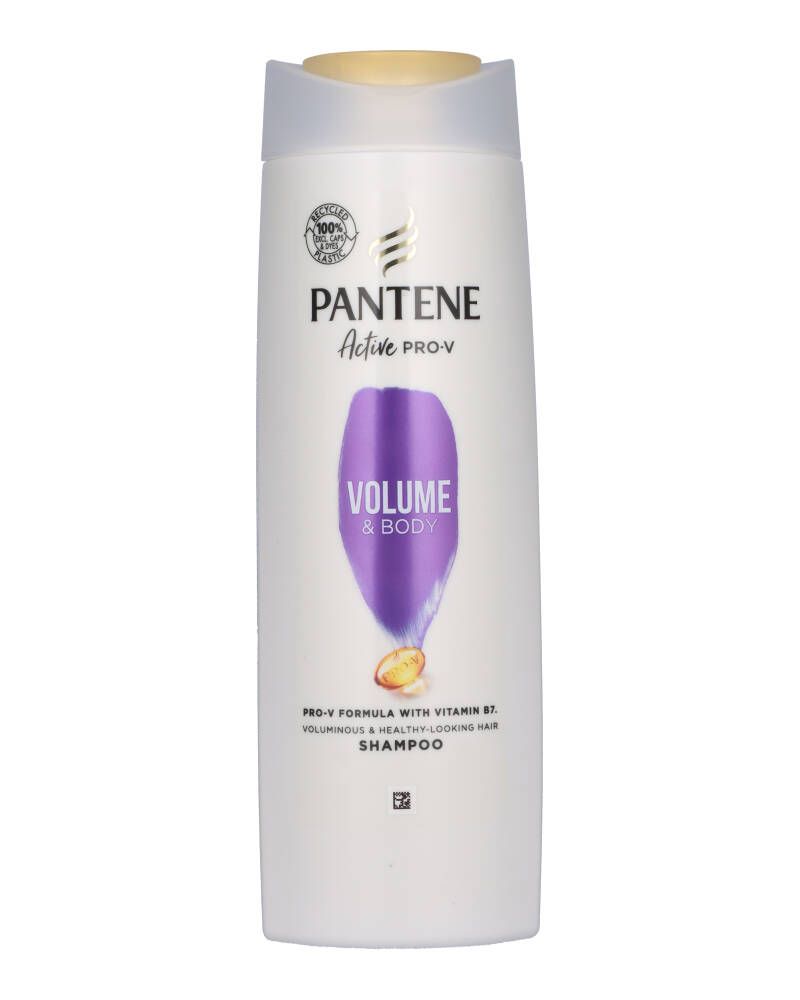
Pantene Volume & Body Shampoo
While not marketed as a clarifying shampoo, its lightweight formula is designed to minimize residue that weighs hair down. A practical option for fine hair that needs regular refreshing without a heavy-duty clarifying approach.
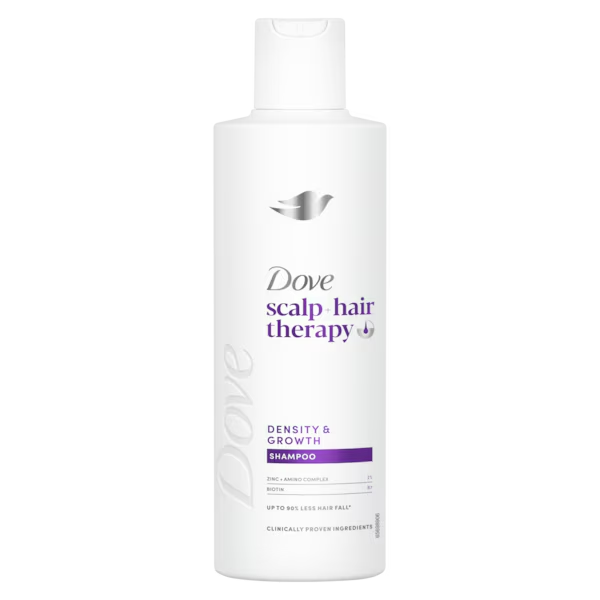
Dove Scalp + Hair Therapy Density Boost Shampoo
Prioritizes scalp cleanliness and comfort while providing mild buildup removal. Suited to those who want a scalp-first approach to cleansing rather than an intensive clarifying reset.
Hard Water & Metal Buildup
Not all buildup is the same — and not all clarifying shampoos target the same thing. Understanding the distinction helps you choose correctly.
Clarifying shampoos primarily remove:
- Styling product residue
- Excess oils
- Silicones
- Dry shampoo buildup
Chelating and metal detox shampoos target:
- Copper and iron accumulation
- Calcium deposits
- Magnesium from water
- Mineral deposits from hard water
Residue & Buildup Removal
Removes styling product residue, excess oils, silicones and dry shampoo buildup from the hair surface and shaft.
Mineral & Metal Removal
Removes excess mineral and metal accumulation that bonds to the hair fiber from hard water exposure and environmental contact.
L’Oréal Professionnel Metal Detox Shampoo
The Metal Detox system uses a patented glicoamine molecule to bind to and remove excess metal particles from the hair fiber. Unlike a standard clarifying shampoo, it specifically addresses the copper and iron accumulation that can make hair brittle, reduce color vibrancy, and interfere with chemical services. Particularly relevant for anyone living in a hard water area or those who swim regularly.
Product Comparison
A quick-reference overview of each clarifying shampoo’s strengths, formula type, and recommended usage.
| Product | Best For | Sulfate Free | Clarifying Strength | Frequency |
|---|---|---|---|---|
| K18 Peptide Prep Detox Shampoo | Heavy buildup | Yes | High | Weekly |
| Living Proof Clarifying Detox Shampoo | General maintenance | Yes | Medium–High | Weekly |
| OUAI Detox Shampoo | Hard water + buildup | Yes | High | Weekly |
| L’Oréal EverPure Clarify Shampoo | Gentle clarifying | Yes | Medium | Weekly |
| Garnier Fructis Pure Clean Shampoo | Budget option | No | Medium–High | Weekly |
| L’Oréal Professionnel Metal Detox Shampoo | Hard water & metal buildup | Yes | Medium | Weekly |
| Pantene Volume & Body Shampoo | Fine hair & lightweight cleansing | No | Medium | Weekly |
| Dove Scalp + Hair Therapy Density Boost Shampoo | Scalp-focused cleansing | No | Low–Medium | Weekly |
Understanding These Categories
Clarifying Strength refers to how effectively a shampoo removes styling products, oils and buildup.
Metal Detox products are designed primarily to remove excess metal particles and mineral deposits that accumulate from water exposure.
Volume shampoos can provide moderate clarifying benefits because they are formulated to minimize residue that weighs hair down.
Scalp-focused shampoos prioritize scalp cleanliness and comfort while still providing mild buildup removal.
How Often Should You Clarify?
Clarifying frequency should be guided by your hair’s behaviour, not a fixed calendar rule.
Fine Hair
Medium Hair
Heavy Product Users
Hard Water Exposure
Very Dry Hair
The ideal frequency depends on buildup, not a fixed schedule. When your hair starts to feel heavy, dull, or products stop performing — that’s the signal.
Common Clarifying Mistakes
Most clarifying issues come down to either doing too much or not enough — and expecting results that clarifying alone can’t deliver.
Clarifying Too Often
Over-clarifying removes natural oils along with buildup and can contribute to dryness, frizz and a dull appearance. Clarifying is a periodic reset, not a daily routine.
Never Clarifying
Skipping clarifying entirely allows buildup to accumulate over time, gradually reducing the effectiveness of every other product in your routine.
Skipping Conditioner Afterwards
Clarifying opens the hair shaft for deep cleansing. Always follow with a conditioner or treatment to restore moisture and close the cuticle.
Using Clarifying As Daily Shampoo
Most clarifying shampoos are formulated for periodic use. Using them daily can strip the hair and scalp of beneficial natural oils.
Expecting Clarifying To Fix Hair Loss
Clarifying improves scalp cleanliness and creates a healthier environment for follicles, but it does not treat medical hair loss conditions. These require separate assessment and treatment.
Where Clarifying Fits In The Abbey Yung Method
Step 3 sits between pre-shampoo treatment and your regular shampoo — performing a deep reset before the rest of the routine continues. The Abbey Yung Method has 11 steps in total; you do not need every step every wash day.
Not every wash day requires all steps. Clarifying is typically performed once weekly or as needed based on buildup.
Frequently Asked Questions
What does a clarifying shampoo do?▾
How often should I use a clarifying shampoo?▾
Can clarifying shampoo cause dryness?▾
Is clarifying shampoo safe for color-treated hair?▾
What’s the difference between clarifying and chelating shampoo?▾
Do I need clarifying shampoo if I use dry shampoo?▾
Can clarifying shampoo help oily hair?▾
Does clarifying shampoo promote hair growth?▾
Independent educational resource. Hair Growth Hub is an independent publisher and is not affiliated with, endorsed by, or sponsored by Abbey Yung or any product brand mentioned on this page. Content is provided for general educational purposes only and does not constitute medical advice. Always patch-test new products and consult a dermatologist or trichologist for persistent scalp or hair concerns. Questions about this page? Contact us at hello@hairgrowthhub.fi.
Not Sure Which Products Are Right For You?
Take the two-minute Hair Quiz to get a personalized routine based on your hair type, goals and budget — or browse every step of the Abbey Yung Method.