
Step 6: Conditioning
Conditioning is one of the most overlooked steps in a healthy hair routine. Whether you choose a gloss, conditioner, or hair mask, every wash day should include at least one conditioning product to restore moisture, improve softness, reduce breakage, and protect the hair cuticle.
Use at least one conditioning product (gloss, conditioner, or hair mask) every time you wash your hair.
Depending on your hair’s needs, you can also combine multiple conditioning products during the same wash. Popular combinations include:
- Gloss + Conditioner
- Gloss + Hair Mask
- Conditioner + Hair Mask
Hair Glosses
Glosses are the lightest and fastest of the three conditioning categories — a quick way to add shine and smoothness on almost any wash day.
Gloss treatments work primarily on the outer surface of the hair, smoothing the cuticle so it lies flatter and reflects more light. This is what creates the noticeable, glassy shine that glosses are known for. Most formulas rely on mild acids or lightweight conditioning agents rather than heavy oils or proteins, so they rinse clean without weighing hair down.
Glosses are best for:
- Anyone wanting extra shine without added weight
- Color-treated hair that looks dull between salon visits
- Frizz-prone hair that needs a smoother surface
- Quick wash-day routines with limited time
Because glosses are lightweight and fast-rinsing, most can be used every wash day without buildup. This is the key difference from conditioners: a gloss primarily polishes the surface for shine, while a conditioner focuses on detangling, softness, and moisture retention throughout the strand. Glosses and conditioners are complementary rather than interchangeable — many people use both in the same wash.
Abbey Yung’s Gloss Application Tips
Watch Abbey Yung explain how to incorporate gloss treatments into your conditioning routine, including practical application tips for improving shine and smoothness.
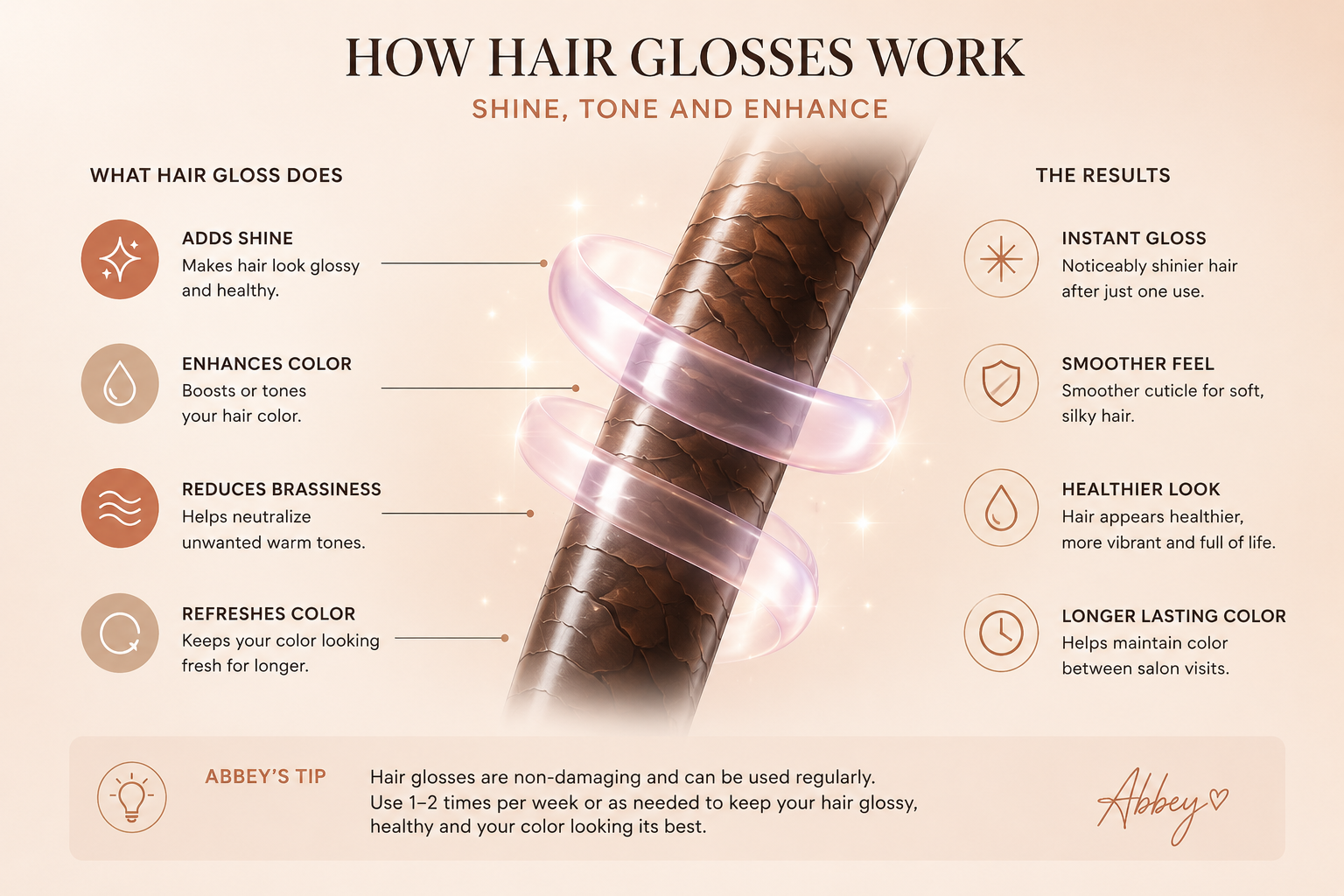
"A gloss won’t replace a conditioner — it polishes the surface for shine, while a conditioner works on softness and manageability underneath."
Watch: How Abbey Uses Hair Gloss Treatments
Abbey demonstrates how gloss treatments fit into a conditioning routine and shares practical application tips for improving shine and smoothing the hair surface.
Recommended Hair Glosses
Four gloss treatments spanning quick rinse-out waters, lamination masks, and instant shine formulas.
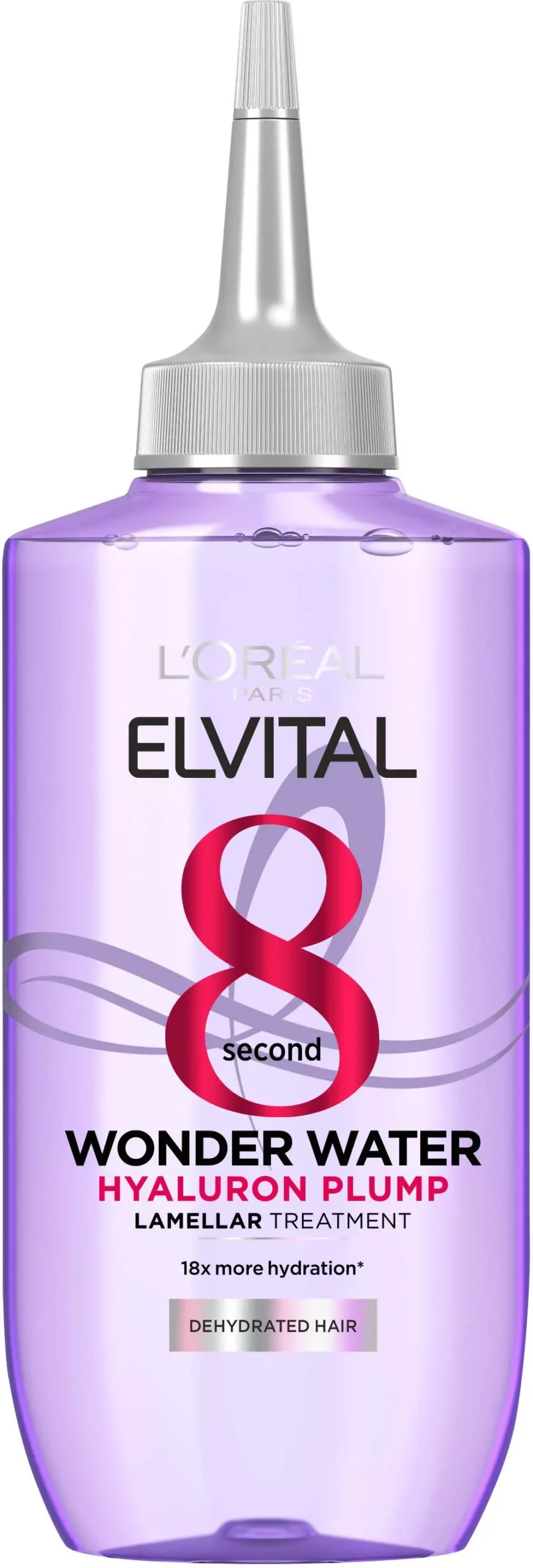
L’Oréal Elvive 8 Second Wonder Water
A fast rinse-out gloss treatment designed to be applied for just eight seconds after shampooing. It smooths the hair surface and adds noticeable shine without weighing hair down, making it one of the most convenient gloss formats available.
- Extremely fast application
- Lightweight, no buildup
- Affordable drugstore price
- Effects are more subtle than salon glosses
- Short contact time limits deeper conditioning
- Best for maintenance, not repair
Who Should Buy It: Anyone wanting a quick shine boost on a regular wash day without adding extra time to their routine.
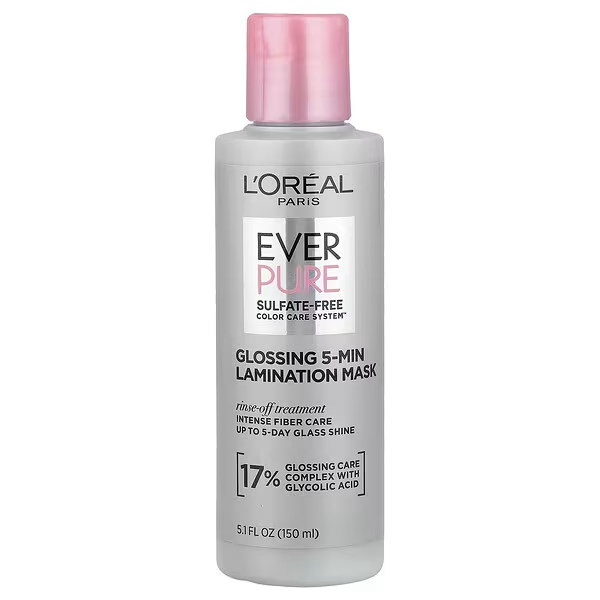
L’Oréal EverPure Glossing 5-Min Lamination Hair Mask
A five-minute rinse-out treatment that combines gloss lamination technology with a sulfate-free, color-safe formula. It smooths the cuticle to reflect more light while helping color-treated hair look shinier and feel softer.
- Color-safe formula
- Noticeable shine after one use
- Doubles as a light conditioning mask
- Requires a five-minute wait
- Not a substitute for deeper repair masks
- Can feel heavy if overused on fine hair
Who Should Buy It: People with color-treated hair who want a weekly gloss-and-smooth step rather than a daily quick rinse.
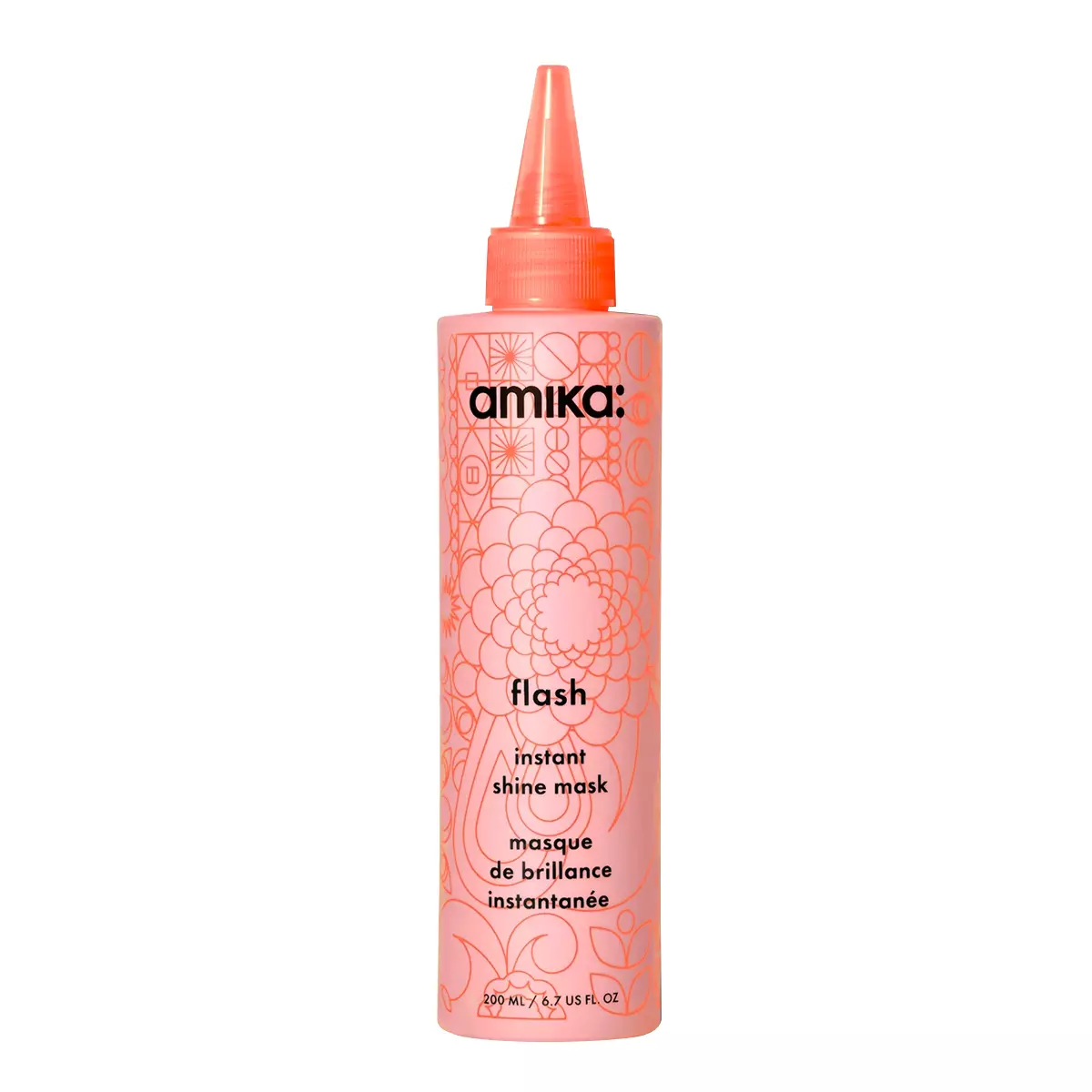
Amika Flash Instant Shine Mask
A quick-processing shine mask formulated to smooth the cuticle and reflect light instantly. It is designed to sit for a short time before rinsing, making it a practical middle-ground between an everyday rinse and a longer treatment mask.
- Fast, noticeable shine results
- Lightweight, non-greasy finish
- Pleasant to use as an occasional treat
- Shine is temporary and wash-dependent
- Higher price point than drugstore options
- Not formulated for structural repair
Who Should Buy It: Anyone with normal-to-dry hair looking for an occasional shine pick-me-up before an event or on a special wash day.
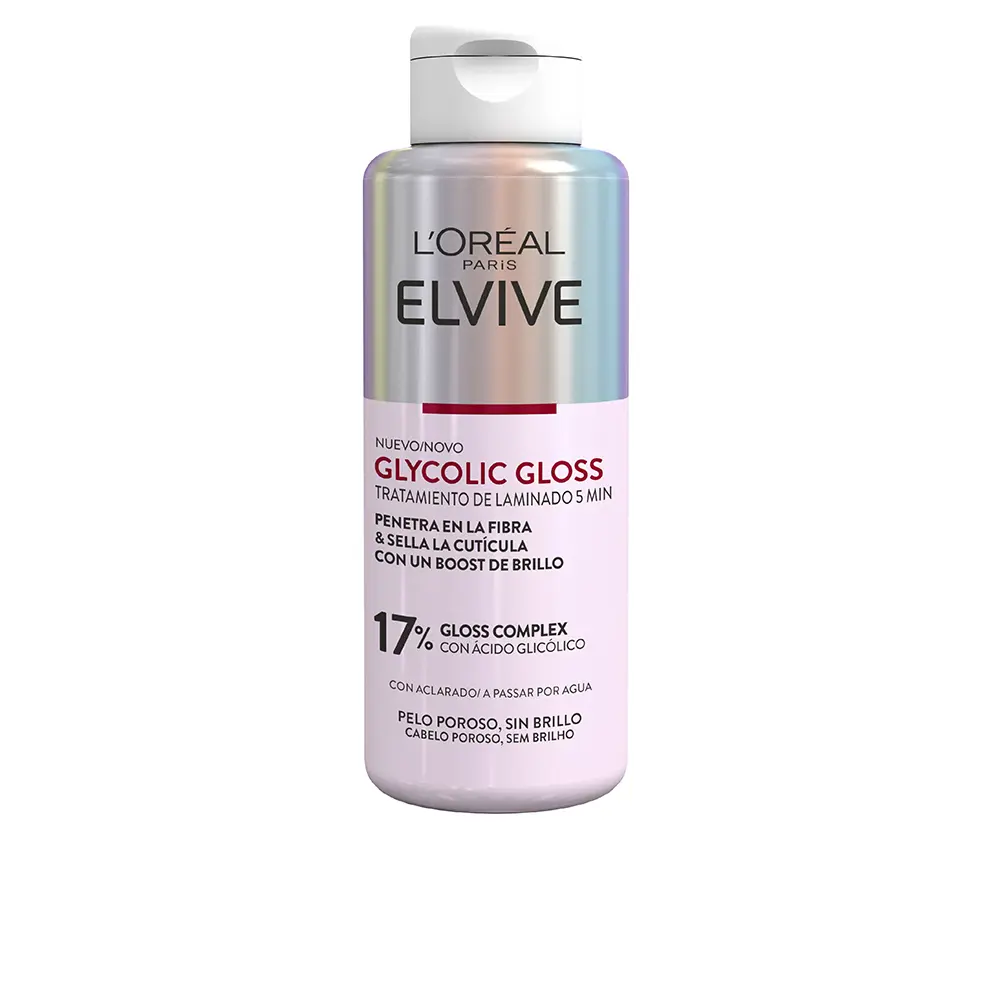
L’Oréal Elvive Glycolic Gloss Lamination
A gloss lamination treatment built around glycolic acid to help smooth the outer cuticle layer. Regular use is intended to reduce the look of frizz and build a smoother, more reflective hair surface over time.
- Helps reduce visible frizz
- Builds cumulative shine with repeat use
- Accessible drugstore pricing
- Best results take a few applications
- May not suit very fine hair if overused
- Contains acids that require patch testing for sensitive scalps
Who Should Buy It: People with frizzy or coarse hair who want a smoother, glossier look as part of a regular gloss routine.
Conditioners
Conditioner is the essential middle step — the product most responsible for detangling, softness, and day-to-day breakage prevention.
Shampoo cleanses but also temporarily roughens the hair’s outer cuticle, which increases friction between strands. Conditioner smooths that cuticle back down, coating the strand with lightweight conditioning agents that reduce friction, ease detangling, and make hair feel noticeably softer.
This friction reduction is the main reason conditioner should not be skipped: less friction between strands during brushing, washing, and towel-drying directly translates into less mechanical breakage over time. Skipping conditioner tends to leave hair feeling rough, tangled, and more prone to snapping.
Conditioner vs. hair mask:
- Conditioners are lighter and rinse out faster
- Conditioners are used every wash; masks are more occasional
- Masks sit for longer and penetrate more deeply
- Conditioners maintain; masks provide a bigger, less frequent boost
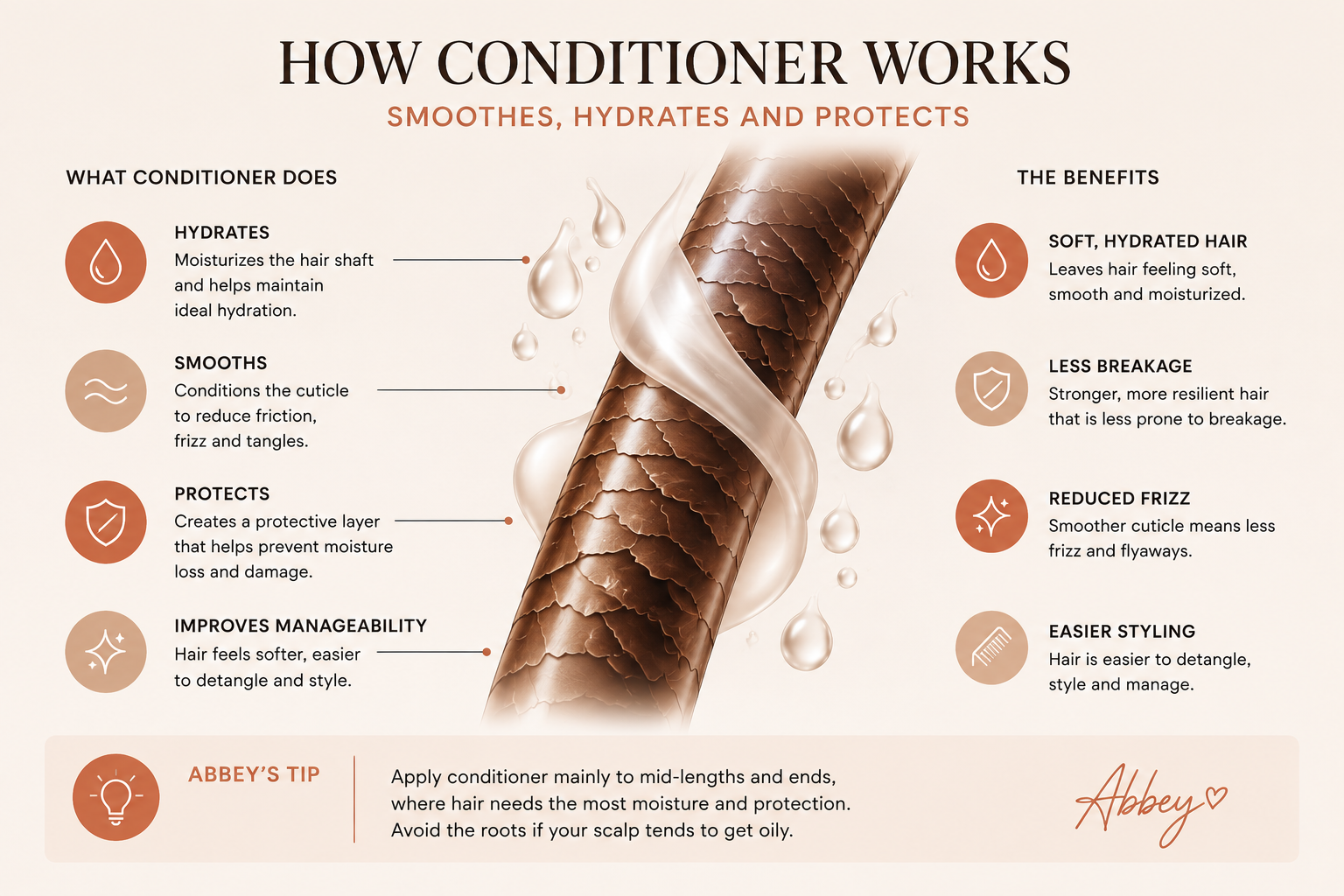
Lightweight Formulas
- Apply mid-length to ends only
- Look for lightweight, non-greasy formulas
- Avoid heavy butters and oils near the roots
- Rinse thoroughly to prevent limpness
Richer, Deeper Formulas
- Can apply from roots to ends
- Look for richer, more emollient formulas
- Benefits from longer conditioner contact time
- May tolerate daily conditioning without buildup
"Conditioner isn’t optional — it’s the step that keeps everyday friction, tangling, and breakage in check."
Recommended Conditioners
Eight conditioners spanning accessible drugstore picks, bond-supporting formulas, and premium salon-quality options.

Garnier Fructis Hair Filler + Vitamin C Strength Repair Conditioner
A budget-friendly daily conditioner that pairs vitamin C with bond-supporting hair filler technology. Designed to detangle and soften while offering a small strengthening boost as part of a regular wash routine.
- Very affordable
- Widely available
- Good everyday detangling
- Less intensive than salon formulas
- Fragrance may be strong for some users
- Best for maintenance, not heavy damage
Who Should Buy It: Anyone wanting a reliable, budget-friendly conditioner for everyday strength support.
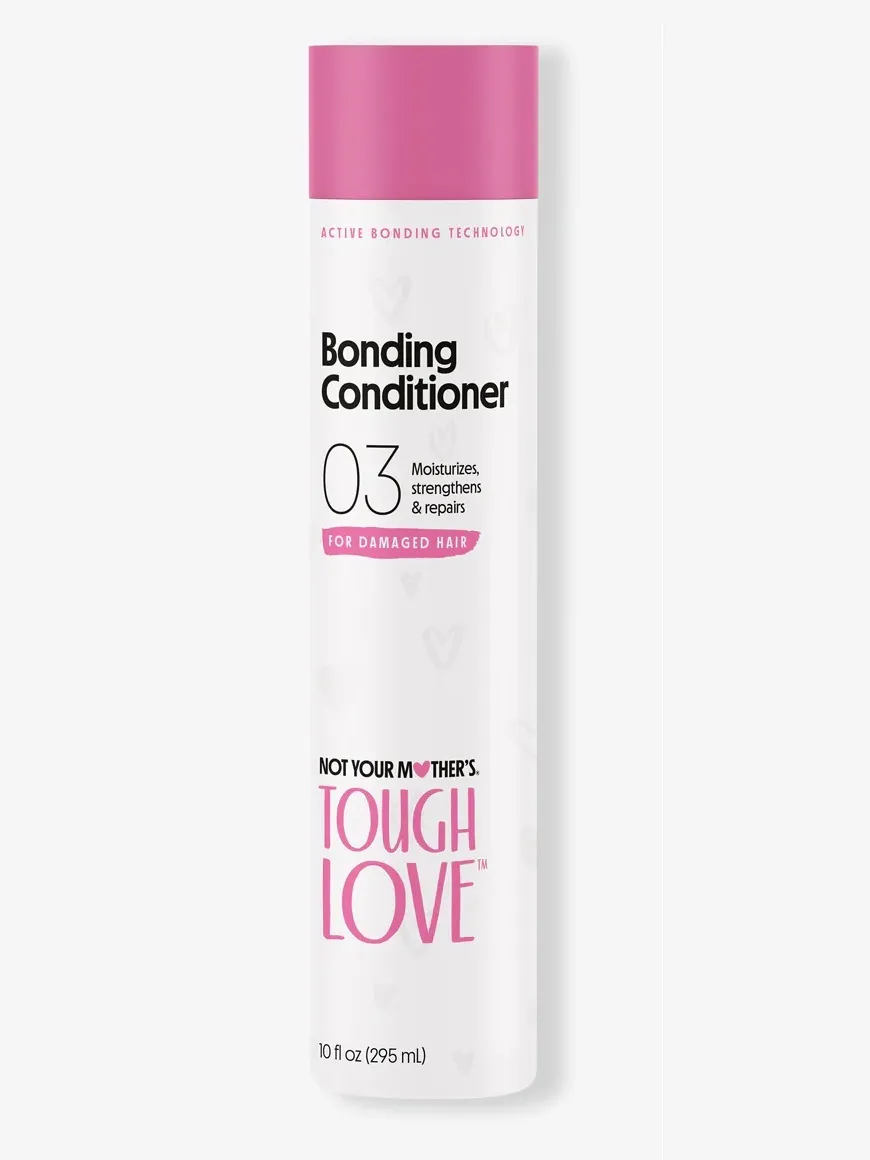
Not Your Mother’s Tough Love Bonding Conditioner
A rinse-out conditioner built around a bonding complex intended to complement more intensive bond-repair treatments. Works well as the conditioning step for hair that has already had a bond-building treatment applied.
- Pairs well with bond repair treatments
- Accessible price point
- Good slip for detangling
- Not a standalone repair treatment
- Scent may not suit everyone
- Best used consistently for cumulative benefit
Who Should Buy It: People already using a bond repair product who want a matching everyday conditioner.
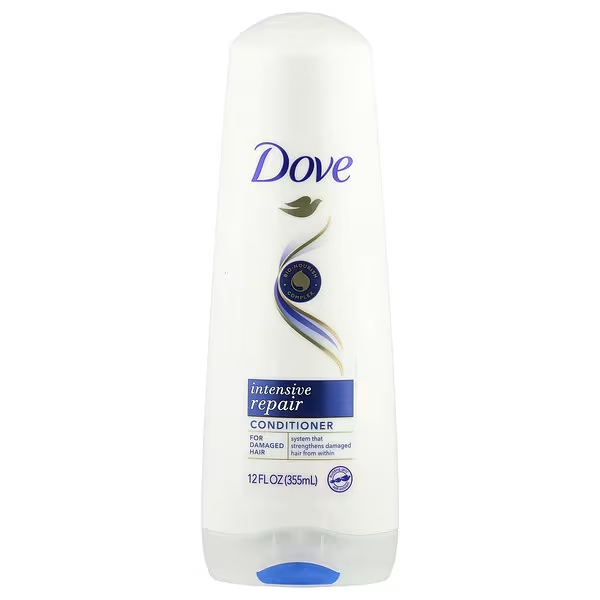
Dove Intensive Repair Conditioner
A moisturizing conditioner formulated to help repair the appearance of damaged hair from root to tip. Designed for regular use alongside Dove’s Intensive Repair shampoo as part of a complete damage-focused routine.
- Very accessible price
- Noticeably softer hair after use
- Pairs with a full Dove repair system
- Less concentrated than premium lines
- May require pairing with a mask for severe damage
- Fragrance is noticeable
Who Should Buy It: Anyone seeking an affordable, everyday conditioner for general damage and dryness.
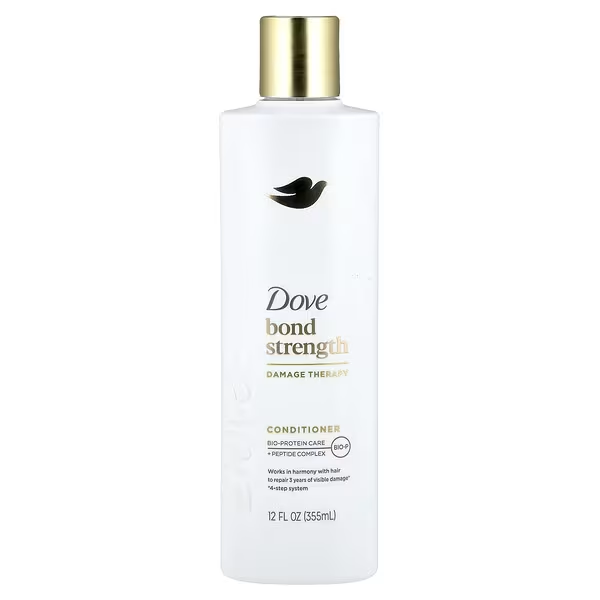
Dove Bond Strength Conditioner
Part of Dove’s bond-focused haircare line, this conditioner is designed to support the hair’s internal strength alongside Dove’s bond-building shampoo and treatment products, at an accessible everyday price.
- Affordable bond-focused formula
- Easy to find in most drugstores
- Works as part of a full Dove bond system
- Milder than salon bonding lines
- Best paired with the matching shampoo/mask
- Results build gradually with consistent use
Who Should Buy It: Anyone wanting an accessible, everyday conditioner focused on strength rather than just softness.
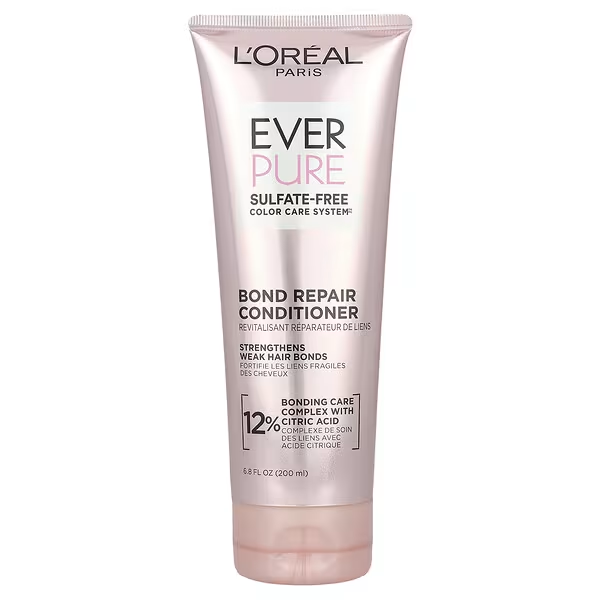
L’Oréal EverPure Bond Repair Conditioner
A sulfate-free, color-safe conditioner that complements L’Oréal’s EverPure Bond Repair Concentrate. Provides everyday softness and detangling while reinforcing the bond-focused benefits of the rest of the line.
- Color-safe formula
- Pairs with the EverPure bond repair line
- Good everyday softness
- Best used as part of the full EverPure system
- Not a substitute for a weekly treatment
- Moderate price point for a drugstore line
Who Should Buy It: Color-treated hair users already invested in the L’Oréal EverPure bond repair range.
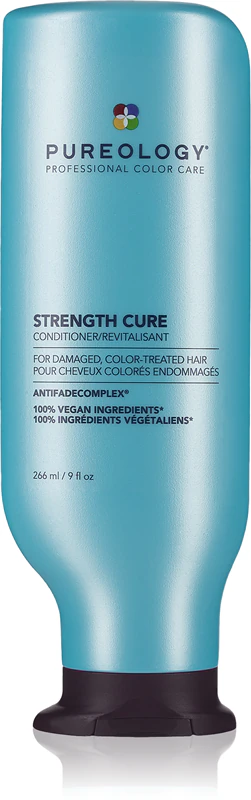
Pureology Strength Cure Conditioner
A salon-quality, sulfate-free conditioner formulated with ceramides to help strengthen and protect colour-treated hair from breakage. Positioned as a premium, everyday step in a colour-care routine.
- Sulfate-free and colour-safe
- Strengthening ceramide complex
- Pleasant, long-lasting fragrance
- Higher price point than drugstore options
- Bottle size may not last as long as budget brands
- Best paired with the matching shampoo
Who Should Buy It: Colour-treated hair users willing to invest in a premium, salon-quality conditioner.
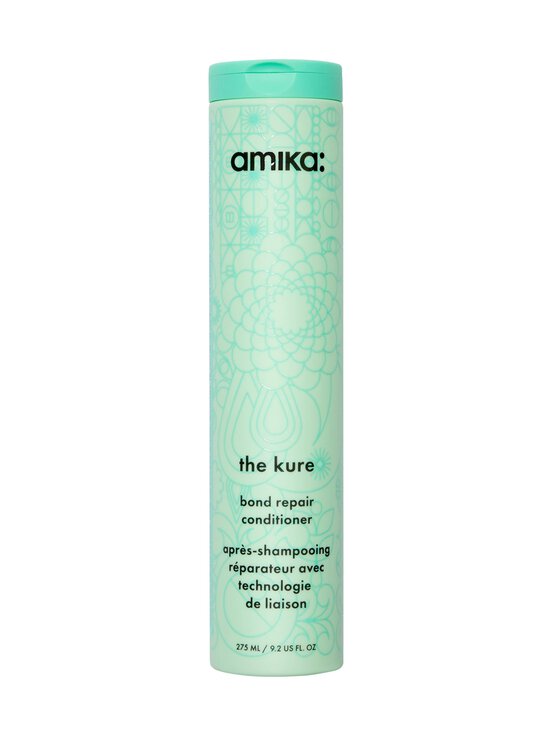
Amika The Kure Bond Repair Conditioner
A rinse-out conditioner from Amika’s Kure bond repair range, combining moisturizing oils with bond-supporting technology. Works as the everyday conditioning step alongside Amika’s more intensive treatments.
- Pleasant, lightweight texture
- Pairs with the Kure treatment line
- Good moisture without heaviness
- Premium price point
- Best results seen with the full Kure system
- Not a deep treatment on its own
Who Should Buy It: Anyone wanting a nourishing, mid-to-premium daily conditioner with bond-support benefits.
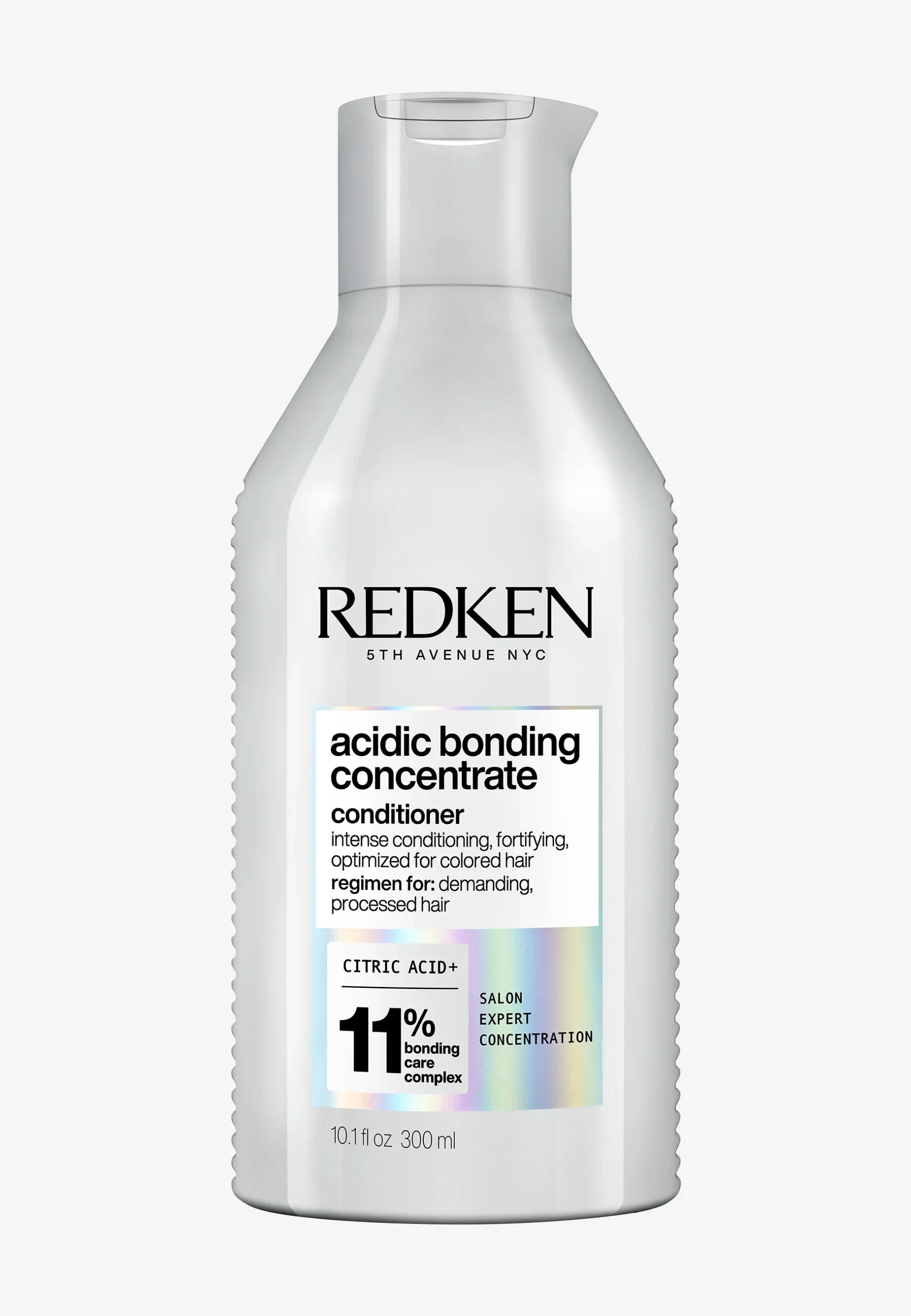
Redken Acidic Bonding Concentrate Conditioner
A low-pH conditioner designed to complement Redken’s Acidic Bonding Concentrate treatment line. Helps seal the cuticle and support the bond-building benefits of the rest of the system in everyday use.
- Professional salon-quality formula
- Low-pH helps seal the cuticle
- Pairs with the full Acidic Bonding Concentrate line
- Premium, salon-brand price point
- Best used with the matching shampoo and treatment
- May be more than needed for low-damage hair
Who Should Buy It: Chemically treated or professionally coloured hair users seeking a salon-quality daily conditioner.
Hair Masks
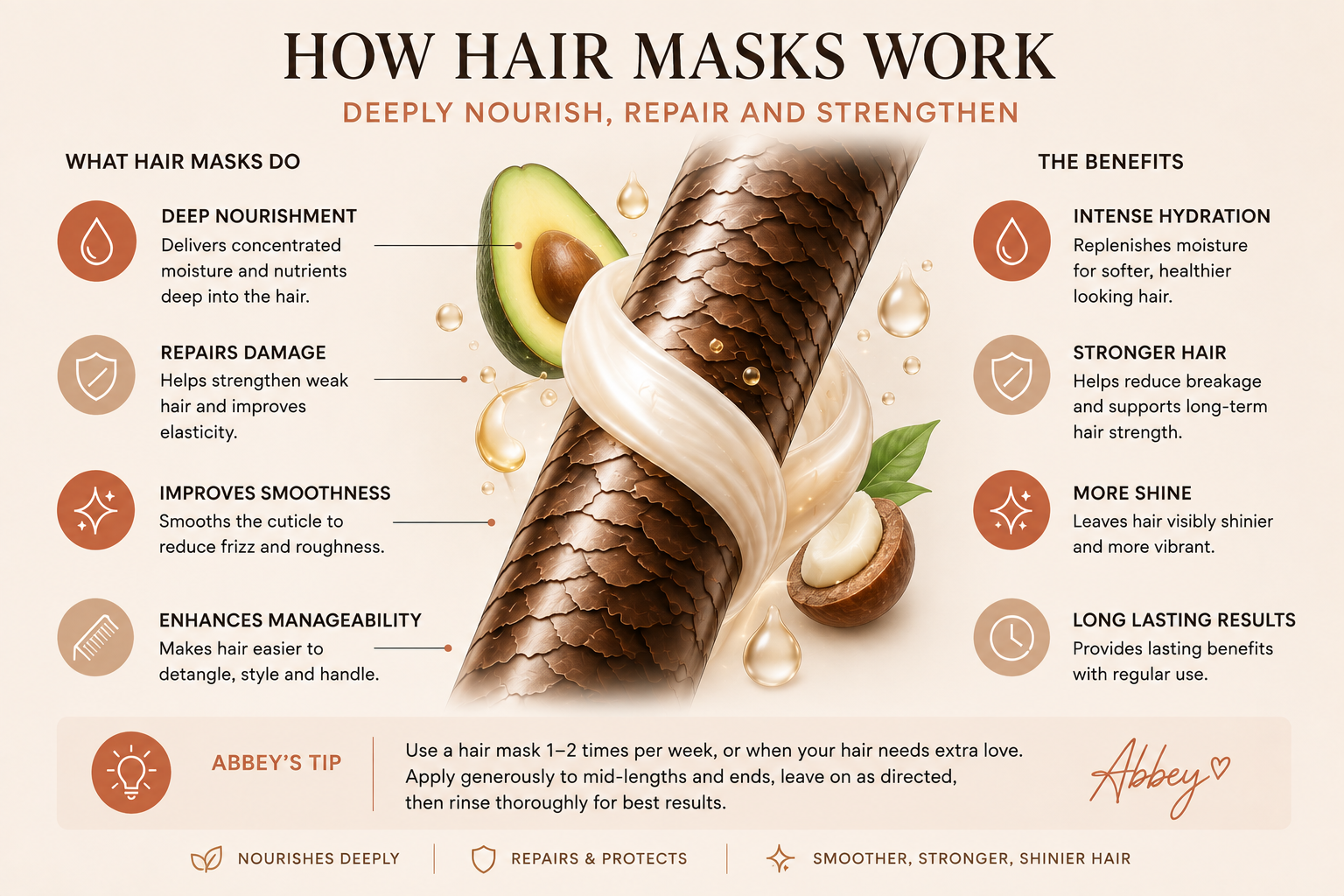
Hair masks are the most intensive conditioning step — formulated to sit longer and deliver a bigger, more occasional boost of repair or moisture.
Hair masks are more concentrated than everyday conditioners and are designed to be left on for longer — often five to twenty minutes — so their ingredients can penetrate more deeply into the hair shaft rather than just coating the surface.
When to reach for a mask:
- Once weekly for most damaged or chemically treated hair
- After a bond repair treatment, as the moisture-focused follow-up step
- When hair feels dry, brittle, or dull despite regular conditioning
- Less frequently for healthy, low-damage hair
The key difference from regular conditioner is frequency and intensity: conditioner is a light, every-wash step, while a mask is a heavier, more occasional treatment. Masks are also where the protein-versus-moisture distinction matters most — using the wrong type repeatedly can leave hair feeling stiff (too much protein) or limp and gummy (too much moisture).
Rebuild Structure
- Add strength to weak, stretchy, over-elastic hair
- Best for heat and chemical damage
- Overuse can cause stiffness or brittleness
- Typically used every few weeks
Restore Softness
- Add softness to dry, coarse, or curly hair
- Best for dehydration rather than structural damage
- Overuse can leave hair feeling limp or gummy
- Can typically be used weekly
"A mask is not just a stronger conditioner — it’s a different type of step, and using the right kind (protein vs. moisture) matters as much as using one at all."
Recommended Hair Masks
Seven hair masks spanning protein treatments, multi-benefit serum masks, and premium bond-focused formulas.

CER-100 Collagen Coating Protein Treatment
An intensive protein treatment built around hydrolyzed collagen, designed to coat and reinforce weakened strands. A popular budget-friendly option for hair that feels limp, stretchy, or overly elastic from damage.
- Strong protein boost at a low price
- Widely available
- Noticeable firmness after use
- Can feel heavy if overused
- Protein-only, no added moisture
- Best alternated with a moisture mask
Who Should Buy It: Hair that feels weak, stretchy, or overly soft and would benefit from added protein structure.
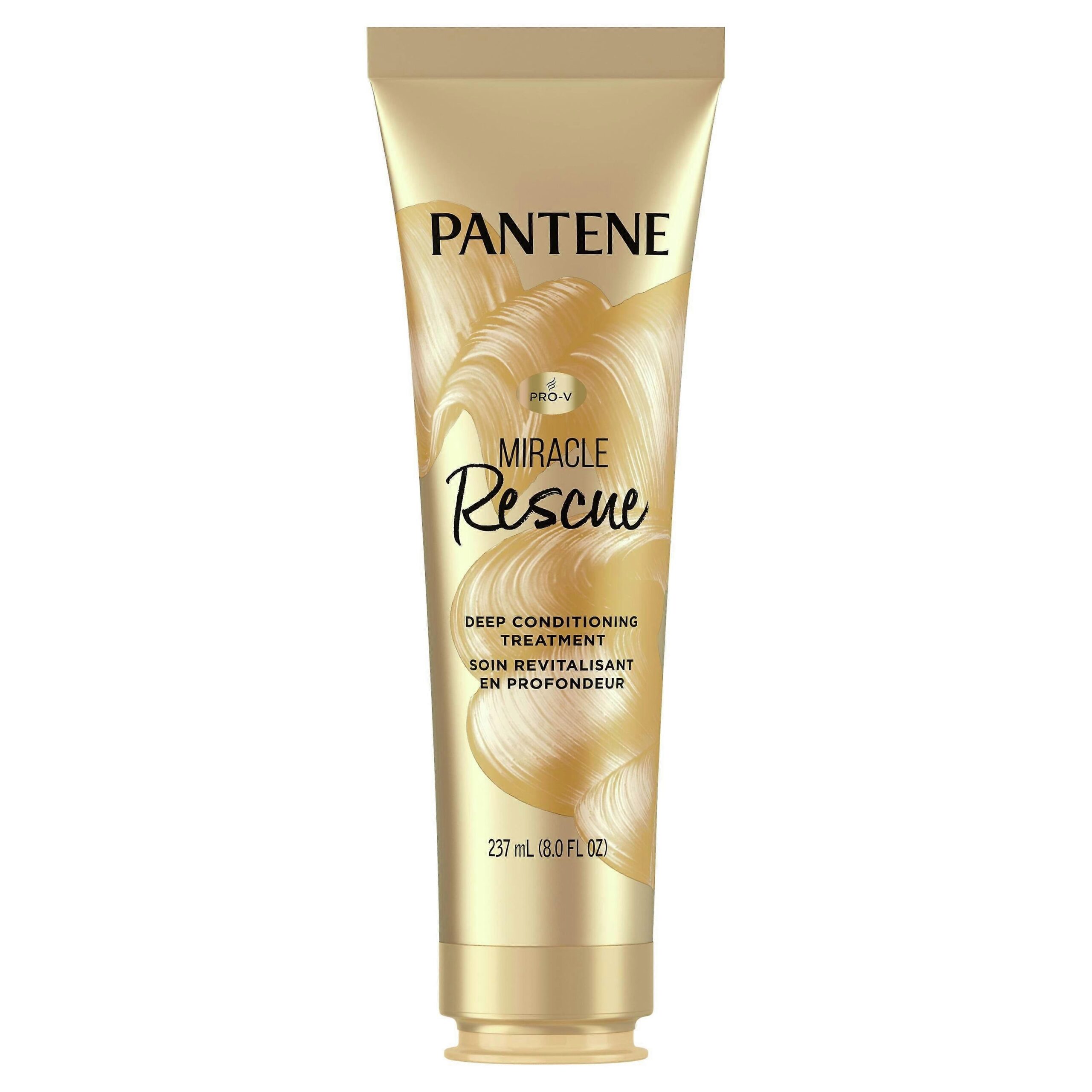
Pantene Miracle Rescue Deep Repair Conditioner
A deep conditioning treatment positioned between a regular conditioner and a full mask, designed to be used a few times a week for hair that needs more consistent moisture and repair support than daily conditioner alone provides.
- Very affordable
- Easy to fit into a regular routine
- Noticeably softer, more manageable hair
- Milder than a true weekly mask
- Best for moderate rather than severe damage
- Fragrance is fairly strong
Who Should Buy It: Anyone wanting an accessible, more-than-conditioner step for moderately damaged hair.

Pantene Miracle Rescue Intensive Bond Repair Mask
A more intensive mask formula from Pantene’s Miracle Rescue line, combining bond-repair technology with moisturizing actives. Designed for weekly use on hair that has been bleached, heat-styled, or chemically processed.
- Accessible drugstore price for a bond mask
- Combines repair and moisture in one step
- Noticeable softness after a single use
- Weekly use recommended, not for daily conditioning
- Can feel heavy on fine hair if overused
- Requires a few minutes of processing time
Who Should Buy It: Damaged or over-processed hair that needs a weekly intensive step beyond regular conditioner.

OGX Bond Protein Repair 5-Minute Treatment Mask
A five-minute treatment mask that deposits protein into the hair shaft while supporting bond strength. An accessible weekly option for people wanting a noticeable improvement in feel without a salon price tag.
- Affordable weekly mask option
- Short five-minute processing time
- Widely available in drugstores
- Less concentrated than professional lines
- Protein-forward, watch for overuse on fine hair
- Results are more subtle than premium masks
Who Should Buy It: Budget-conscious users wanting a simple, effective weekly protein and bond boost.

Dove Intensive Repair 10-in-1 Serum Mask
A serum-infused mask formulated to address several concerns at once — including frizz, dullness, and breakage — as part of a weekly deep conditioning routine for damaged hair.
- Multi-benefit formula in one product
- Affordable for a 10-in-1 treatment
- Leaves hair noticeably smoother
- Jack-of-all-trades formula may be less targeted
- Weekly use recommended rather than daily
- Fragrance may be strong for some
Who Should Buy It: Anyone wanting a simple, all-in-one weekly mask for general damage and dryness.
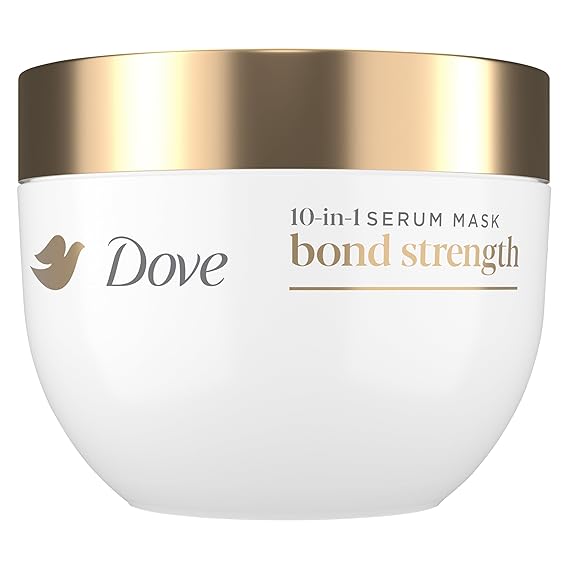
Dove Bond Strength 10-in-1 Serum Mask
Part of Dove’s bond-focused range, this serum mask combines multiple conditioning benefits with bond-strengthening technology, intended as a weekly step alongside Dove’s Bond Strength shampoo and conditioner.
- Affordable bond-focused mask
- Multi-benefit serum formula
- Pairs with the full Dove Bond Strength system
- Best results with the full three-step system
- Weekly use, not a daily product
- Milder than salon bonding masks
Who Should Buy It: Anyone using the Dove Bond Strength line who wants a matching weekly mask step.

Amika The Kure Intensive Repair Mask
An intensive weekly mask from Amika’s Kure line, combining nourishing oils with bond-supporting technology for hair that has experienced significant heat, chemical, or mechanical damage.
- Rich, nourishing weekly treatment
- Pairs with the full Kure repair line
- Noticeably softer, more resilient feel
- Premium price point
- Too rich for fine hair if used too often
- Best reserved for weekly rather than daily use
Who Should Buy It: Significantly damaged hair, willing to invest in a premium weekly repair mask.
Watch: Dove Bond Strength vs. Intensive Repair
In this paid-partnership video, Abbey compares Dove Bond Strength and Dove Intensive Repair and explains how the two ranges differ, helping viewers choose the option that best matches their hair condition and routine.
Disclosure: This TikTok was created as a paid partnership. It is included here for its product comparison and educational value.
Gloss vs. Conditioner vs. Hair Mask
All three conditioning types work together rather than competing — understanding how they differ helps you decide what your hair needs on any given wash day.
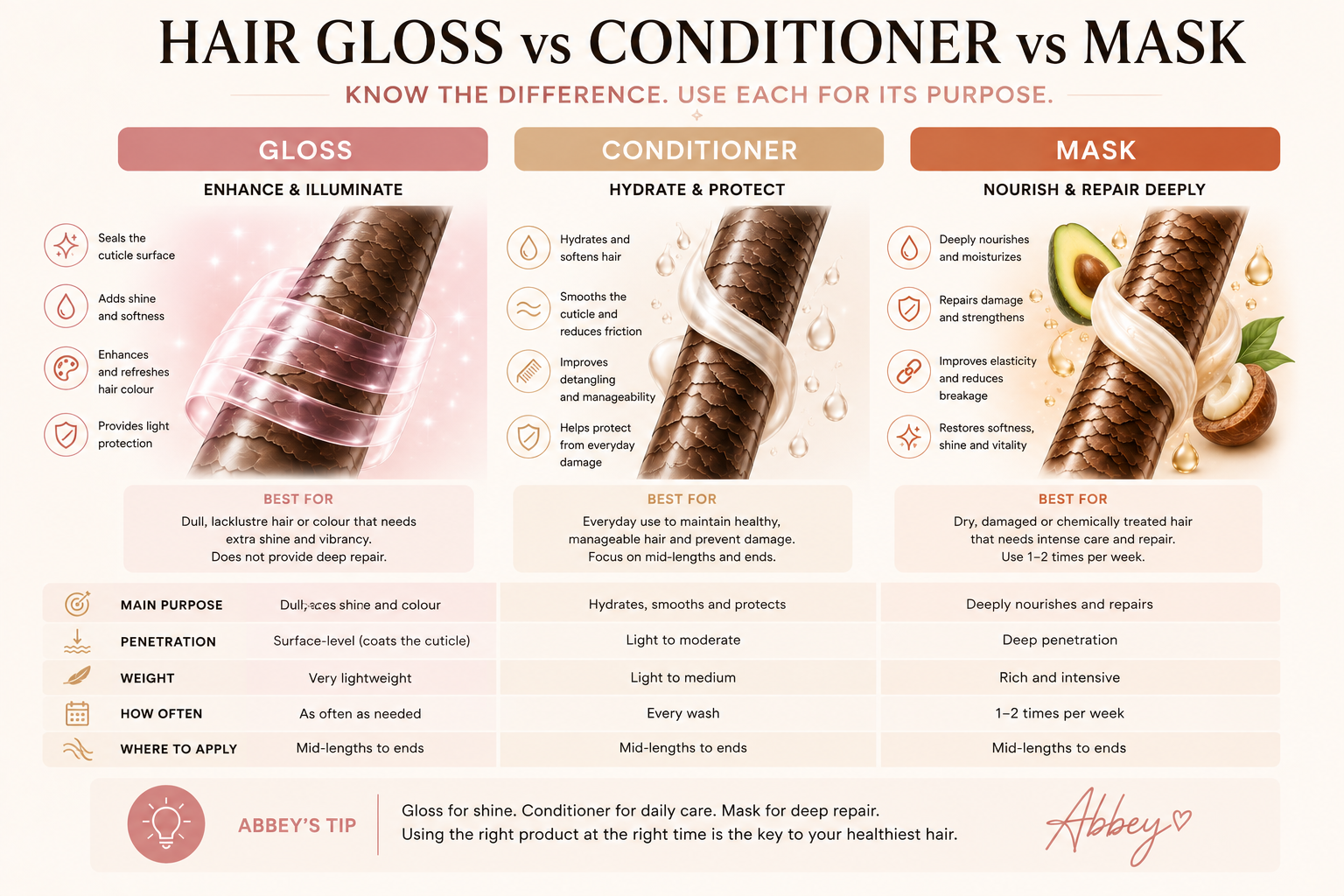
How The Three Types Compare
A quick-reference overview of shine, moisture, repair, softness, frequency, and ideal hair type across all three conditioning categories.
| Category | Gloss | Conditioner | Hair Mask |
|---|---|---|---|
| Shine | High | Medium | Medium |
| Moisture | Low | Medium | High |
| Repair | Low | Medium | High |
| Softness | Medium | High | High |
| Typical Frequency | Every wash | Every wash | Weekly or as needed |
| Ideal Hair Type | Dull, frizz-prone, colour-treated | All hair types | Damaged, dry, chemically treated |
Understanding These Categories
Gloss treatments primarily smooth the cuticle for shine and are light enough for every wash.
Conditioner is the essential, every-wash step for softness, detangling, and everyday breakage prevention.
Hair Mask treatments are more concentrated and occasional, best reserved for weekly deep repair or moisture.
Which Conditioning Products Fit Your Hair?
The right combination of gloss, conditioner, and mask depends heavily on your hair type and its current condition.
Fine Hair
Favor lightweight conditioners like Garnier Fructis Hair Filler and use gloss treatments such as L’Oréal’s 8 Second Wonder Water for shine without weight. Save heavier masks like CER-100 for occasional use only.
Medium Hair
Most conditioners and weekly masks on this page work well as-is. A standard rotation of an everyday conditioner plus a weekly mask, such as Pantene Miracle Rescue, suits medium hair without much adjustment.
Thick Hair
Richer conditioners like Pureology Strength Cure or Amika The Kure hold up well on thick hair, and masks can often be used slightly more often than the standard weekly guideline.
Curly Hair
Prioritize moisture-focused masks such as Dove’s 10-in-1 Serum Masks and rich conditioners over frequent gloss use, since curly hair typically needs more moisture than surface shine.
Bleached Hair
Combine a bond-supporting conditioner, such as Redken Acidic Bonding Concentrate Conditioner or L’Oréal EverPure Bond Repair Conditioner, with a weekly protein-aware mask like Pantene Miracle Rescue Intensive Bond Repair Mask.
High Porosity Hair
High porosity hair loses moisture quickly, so lean toward moisture masks and rich conditioners, and use protein-based masks like CER-100 sparingly to avoid overloading the hair.
Low Porosity Hair
Favor lightweight conditioners and gloss treatments that rinse clean, since low porosity hair can struggle to absorb heavier masks — shorter processing times and lighter formulas tend to work best.
Common Mistakes
Conditioning works best when the right product is matched to the right need — these are the most common ways people undercut their results.
Skipping Conditioner After Clarifying Shampoo
Clarifying shampoo strips buildup but also leaves the cuticle rough. Skipping conditioner afterward leaves hair feeling dry and tangled right when it needs smoothing most.
Using Only Protein Masks
Relying exclusively on protein treatments without moisture can lead to protein overload, leaving hair feeling stiff, straw-like, or brittle rather than stronger.
Never Using Hair Masks
Conditioner alone maintains hair, but skipping masks entirely means missing the deeper, more concentrated repair or moisture boost that only a longer-contact treatment can provide.
Using Heavy Masks On Fine Hair
Rich, heavy masks designed for thick or coarse hair can leave fine hair looking limp and weighed down. Fine hair usually does better with lighter formulas used less often.
Applying Conditioner To The Scalp Unless Intended
Most conditioners are formulated for the mid-lengths and ends, not the scalp. Applying rich conditioner directly to the scalp can leave roots looking greasy unless the product is specifically designed for scalp use.
Where Conditioning Fits In The Abbey Yung Method
Step 6 follows bond repair treatments and sits before leave-in protection — the everyday moisture-and-softness stage of the routine.
Frequently Asked Questions
Do I need both conditioner and hair mask?▾
Can I use gloss every wash?▾
Can I combine gloss and conditioner?▾
Can I use conditioner after K18?▾
Can I over-condition my hair?▾
Should fine hair use masks?▾
How often should I deep condition?▾
Building Your Conditioning Routine
Conditioning is not a single product decision — it’s a category with three distinct tools that work together rather than competing.
For most wash days, a conditioner is non-negotiable — it handles the everyday detangling and breakage prevention that keeps hair manageable.
A gloss is the quick add-on for shine when hair looks dull, while a hair mask is the once-weekly (or as-needed) deeper treatment for hair that needs more intensive repair or moisture. Many people rotate between all three depending on how their hair is behaving that week.
Independent educational resource. Hair Growth Hub is an independent publisher and is not affiliated with, endorsed by, or sponsored by Abbey Yung or any product brand mentioned on this page. Content is provided for general educational purposes only and does not constitute medical advice. Always patch-test new products and consult a dermatologist or trichologist for persistent scalp or hair concerns. Questions about this page? Contact us at hello@hairgrowthhub.fi.
Post-Wash Bond Repair Treatment
Conditioning restores softness and moisture, and Step 7 adds an optional, concentrated bond-repair layer for hair that still needs extra reinforcement before leave-in protection and styling.