
Medicated Shampoos: Optional Scalp Care When You Need It
Medicated shampoos can be an important addition to a healthy hair care routine when dealing with dandruff, scalp irritation, itching, flaking, or scalp inflammation.
Abbey Yung includes medicated shampoos as an optional step within her hair care routine. They are not necessary for everyone — they are intended for specific scalp concerns.
A healthy scalp is an important foundation for healthy hair growth. Medicated shampoos can be used alongside clarifying and non-clarifying shampoos and should generally be used according to product directions or healthcare provider guidance.
What Are Medicated Shampoos?
Medicated shampoos contain active pharmaceutical ingredients that address specific scalp conditions — making them distinct from cosmetic shampoos that only cleanse.
Only use medicated shampoos if you experience dandruff, itching, flaking, scalp irritation, or other scalp concerns. They are not intended as a universal replacement for regular shampoo.
Common reasons people use them:
- Dandruff and visible flaking
- Seborrheic dermatitis
- Scalp itching or discomfort
- Scalp irritation and redness
- Excessive flaking beyond normal
- Oily scalp conditions
How they differ from regular shampoos:
- Contain active pharmaceutical ingredients
- Target scalp conditions, not just cleansing
- Serve a medical rather than purely cosmetic purpose
- Focus on scalp health and follicle environment
- Often require a contact time before rinsing
"A healthy scalp is the foundation. Medicated shampoos help protect that foundation when something disrupts it."
Recommended Medicated Shampoos
Five medicated shampoos covering the most common scalp concerns, from dandruff maintenance to seborrheic dermatitis treatment.

Neutrogena Scalp Therapy Anti-Dandruff Shampoo
Formulated with salicylic acid, which works by gently exfoliating the scalp to remove flakes and reduce buildup at the skin surface. Particularly useful for stubborn or thick flaking that other formulas may not fully address.
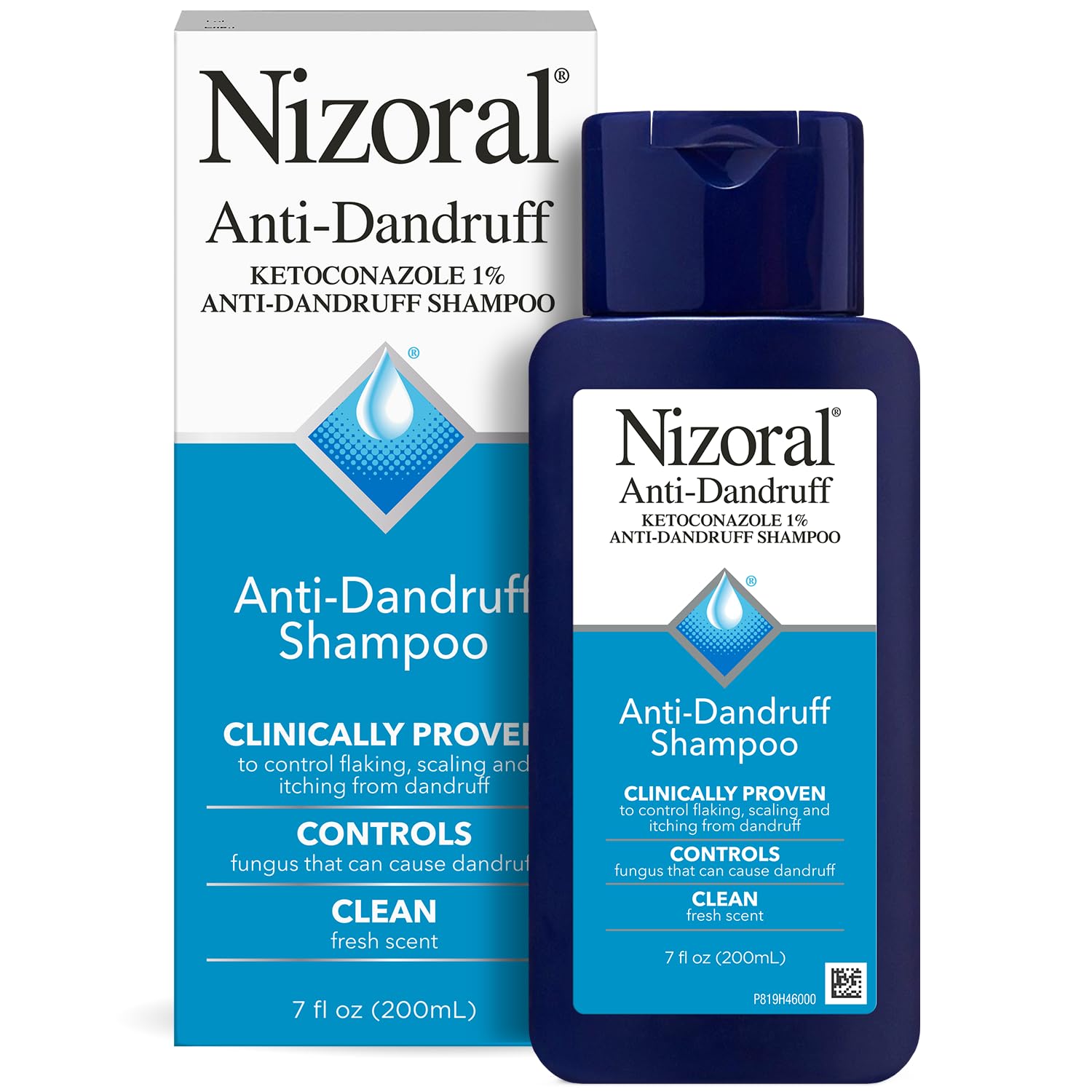
Nizoral Anti-Dandruff Shampoo
Contains ketoconazole, an antifungal active ingredient that targets the Malassezia yeast associated with dandruff and seborrheic dermatitis. One of the most frequently referenced over-the-counter medicated shampoos by dermatologists for persistent dandruff.

Dove Dryness & Itch Relief Anti-Dandruff Shampoo
A pyrithione zinc formula combined with Dove's gentle cleansing approach. Well suited to dry scalp conditions where harsh actives might worsen irritation, offering medicated control with a gentler daily wash feel.

CeraVe Anti-Dandruff Hydrating Shampoo
Combines pyrithione zinc for dandruff control with ceramides, the lipid molecules that help maintain the scalp's natural barrier. A good option for those whose scalp barrier feels compromised or whose dandruff is accompanied by dryness and sensitivity.

Head & Shoulders Classic Clean Shampoo
The most widely available pyrithione zinc anti-dandruff shampoo. A reliable option for ongoing dandruff maintenance and an accessible entry point for anyone beginning to address scalp health.
Active Ingredient Comparison
Each medicated shampoo uses a different active ingredient mechanism. Matching ingredient to concern is the most effective approach.
| Product | Active Ingredient | Best For | Hydration Level | Frequency |
|---|---|---|---|---|
| Neutrogena Scalp Therapy Anti-Dandruff Shampoo | Salicylic Acid | Stubborn flakes, buildup | Low | As needed |
| Nizoral Anti-Dandruff Shampoo | Ketoconazole 1% | Dandruff, seborrheic dermatitis | Low–Medium | 2–3× weekly |
| Dove Dryness & Itch Relief Anti-Dandruff Shampoo | Pyrithione Zinc | Dry scalp, mild dandruff | Medium–High | Regular use |
| CeraVe Anti-Dandruff Hydrating Shampoo | Pyrithione Zinc + Ceramides | Dry scalp, barrier support | High | Regular use |
| Head & Shoulders Classic Clean Shampoo | Pyrithione Zinc | Ongoing dandruff maintenance | Medium | Regular use |
Salicylic acid works by exfoliating the scalp surface — best for stubborn or thick flakes rather than ongoing maintenance.
Ketoconazole targets the fungal cause of dandruff and seborrheic dermatitis — often more effective for persistent or severe dandruff.
Pyrithione zinc provides broad antibacterial and antifungal action and is well suited to regular maintenance use.
Common Medicated Shampoo Ingredients
Understanding the active ingredient in a medicated shampoo helps match the right formula to the right scalp concern.
Ketoconazole
An antifungal ingredient that targets Malassezia, the yeast naturally present on the scalp that is associated with dandruff and seborrheic dermatitis. Available over the counter at 1% concentration. Often recommended for persistent or treatment-resistant dandruff.
Pyrithione Zinc
The most widely used active ingredient in anti-dandruff shampoos. Pyrithione zinc has both antibacterial and antifungal properties, helping reduce the scalp microorganisms responsible for flaking and irritation. Suitable for regular, ongoing use.
Salicylic Acid
A keratolytic ingredient that softens and helps shed the dead skin cells on the scalp surface that form flakes. Useful for removing stubborn or thick flaking where mechanical exfoliation is needed rather than antifungal treatment alone.
Selenium Sulfide
A selenium-based active ingredient used in some medicated shampoo formulations. It reduces cell turnover on the scalp surface and has antifungal properties. Found in some prescription-strength formulations and certain over-the-counter options.
Important: Individuals should always follow product directions and seek professional medical advice for persistent scalp conditions. This page is for educational purposes and does not constitute medical advice.
When Should You Use A Medicated Shampoo?
Medicated shampoos are generally used as needed rather than on every wash unless otherwise directed by product instructions or a healthcare provider.
Dandruff
Visible white or yellowish flakes on the scalp or hair are the primary indication for medicated anti-dandruff shampoo.
Itching
Persistent scalp itching, particularly when accompanied by flaking, may respond well to pyrithione zinc or ketoconazole formulas.
Scalp Irritation
Redness, sensitivity or general scalp discomfort can benefit from a targeted medicated formula rather than continued regular shampooing.
Excessive Flaking
Flaking that is heavy, rapid, or difficult to remove may call for a salicylic acid formula to address the buildup at the scalp surface.
Seborrheic Dermatitis
A more pronounced form of dandruff associated with oily, yellowish flakes and inflammation. Ketoconazole is often the most effective over-the-counter option.
Oily Scalp Conditions
Medicated shampoos with pyrithione zinc or selenium sulfide can help manage the excess oil production associated with some scalp conditions.
How Medicated Shampoos Fit Into The Abbey Yung Method
Step 4A sits alongside Step 4 as an optional replacement or addition on treatment wash days — not a permanent change to the full routine.
How to use it in the routine:
- Can replace a regular shampoo on treatment days
- Can sometimes be used alongside another shampoo depending on product directions
- Not intended to replace all other shampoos permanently
- Always follow with conditioner to restore moisture
Medicated Shampoo vs Clarifying Shampoo
Both serve a periodic, targeted function — but the problems they solve are entirely different.
| Feature | Medicated Shampoo | Clarifying Shampoo |
|---|---|---|
| Primary Purpose | Treat scalp conditions (dandruff, dermatitis) | Remove product buildup and residue |
| Dandruff Treatment | Yes — primary use | No |
| Buildup Removal | Incidental only | Yes — primary use |
| Scalp Irritation Support | Yes | No |
| Frequency | As directed or as needed | Weekly or as needed |
| Hair Growth Support | Indirect — via scalp health | Indirect — via cleaner environment |
Frequently Asked Questions
What is a medicated shampoo?▾
Does Abbey Yung recommend medicated shampoos?▾
Can medicated shampoos help hair growth?▾
What is ketoconazole shampoo?▾
What is pyrithione zinc?▾
Can I use medicated shampoo every wash?▾
Should I use clarifying shampoo and medicated shampoo together?▾
What is the best medicated shampoo for dandruff?▾
Do medicated shampoos damage hair?▾
Build Your Hair Growth Routine
Medicated shampoos address the scalp conditions that can get in the way of healthy hair. Explore the full Abbey Yung Method to see how cleansing, repair, conditioning and protection work together.